KOSRAE, FSM – November 11, 2026
The World Bank-financed FSM Strengthening Public Financial Management II (PFM II) Project, implemented through the Department of Finance and Administration (DoFA), continues to support public financial management capacity development across the Federated States of Micronesia.
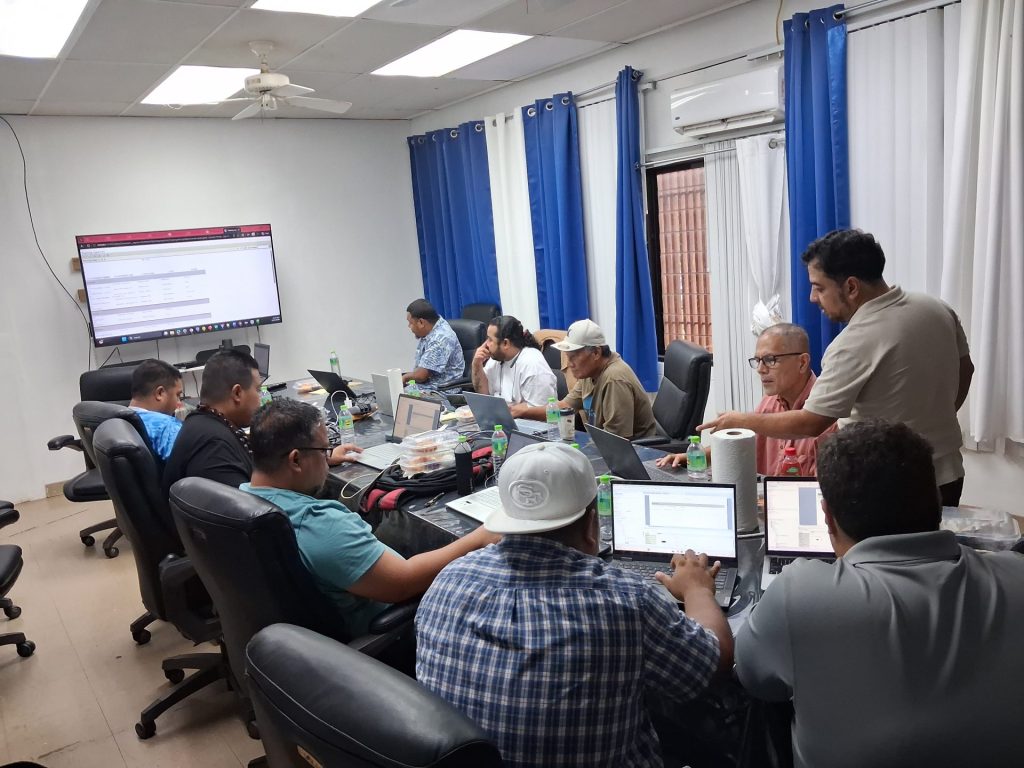
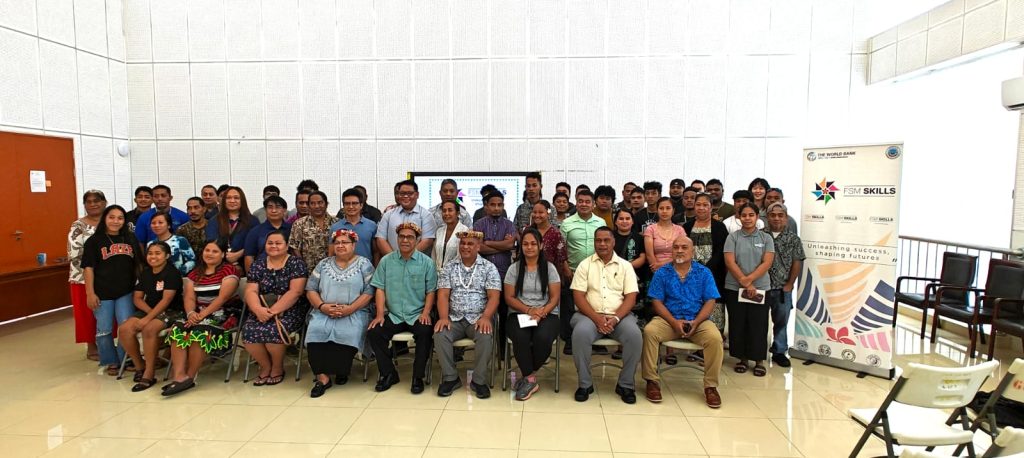
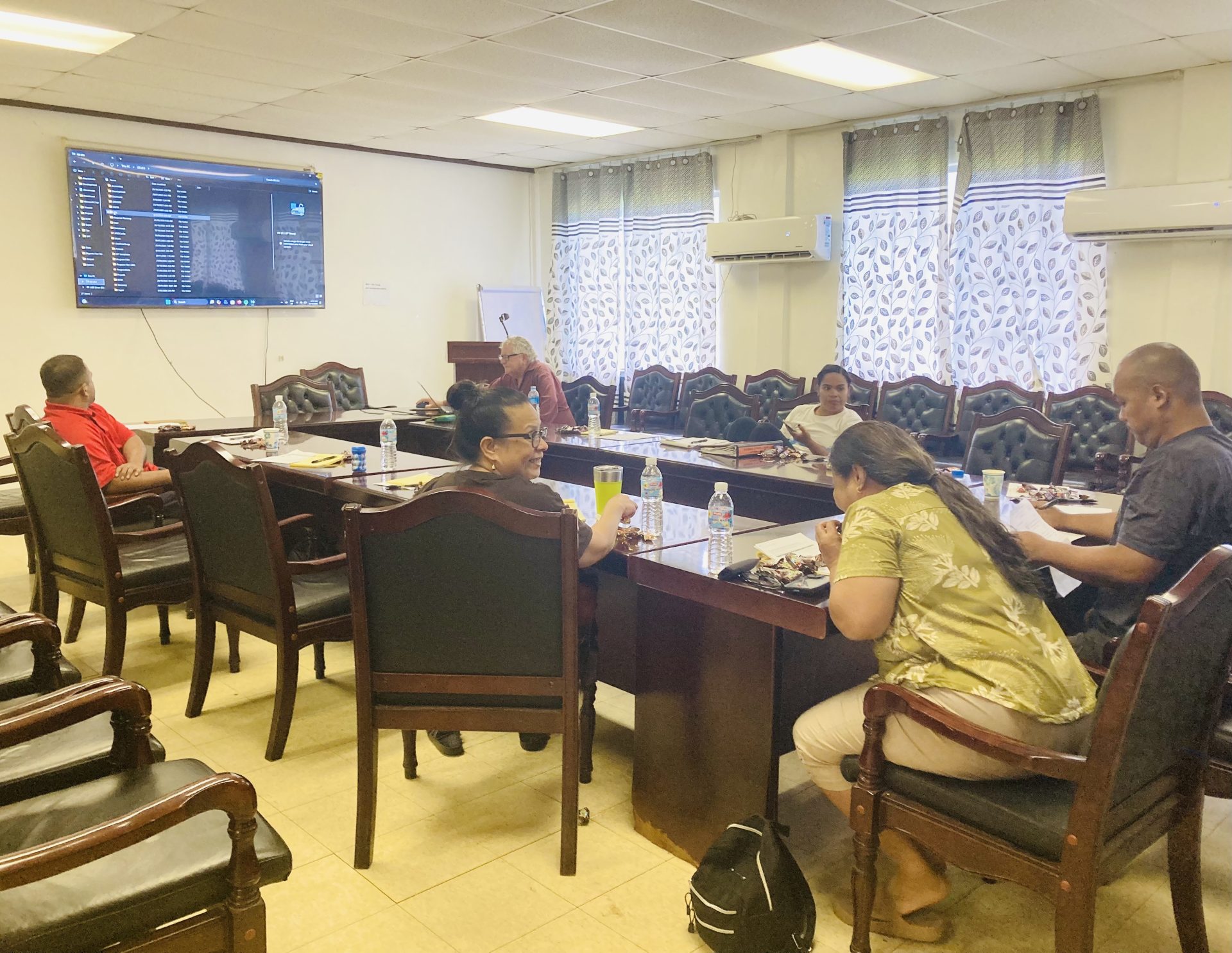
As part of this support, a Public Financial Management (PFM) Principles Workshop was conducted for the Kosrae State Government on Wednesday, November 11, 2026. The workshop was facilitated by Mr. Richard Walsh, CPA, a Financial Consultant engaged under the PFM II Project, who is providing technical support to the Kosrae State Government.
The workshop aimed to strengthen participants’ understanding of sound public financial management principles, internationally recognized PFM frameworks, internal control systems, and compliance requirements.
Strengthening Understanding of Public Financial Management
The morning session focused on the core objectives and principles of public financial management, highlighting the importance of:
- Fiscal Discipline: Keeping government expenditure within sustainable limits and managing public debt responsibly.
- Strategic Resource Allocation: Directing public resources towards government priorities, policies, and high-impact programmes.
- Operational Efficiency: Ensuring public goods and services are delivered economically and achieve value for money.
- Participants also examined the principles of good PFM, including comprehensiveness, transparency, predictability, affordability, and fiscal sustainability.
- The workshop introduced participants to internationally recognised frameworks that guide and assess public financial management systems:
- IMF Fiscal Transparency Code: Promoting comprehensive, timely, and reliable fiscal reporting, transparent budgeting, and effective management of fiscal risks.
- World Bank Treasury Reference Model: Supporting integrated budget execution, improved cash management, reliable financial reporting, and enhanced financial data quality.
- Public Expenditure and Financial Accountability (PEFA) Framework: Examining the framework for assessing PFM performance through seven pillars, 31 performance indicators, and 97 dimensions.

Participants also reviewed the PEFA PFM performance indicators, including budget reliability, and considered the National Government’s PFM self-assessment scores. Practical exercises provided opportunities to apply the concepts discussed.
Improving Internal Controls and Compliance
The afternoon session focused on internal control systems and compliance, emphasising their importance in protecting public resources, improving financial reporting, preventing fraud, and ensuring adherence to applicable laws, regulations, and government procedures.
Participants examined the five components of an effective internal control system under the COSO Internal Control Integrated Framework:
- Control Environment
- Risk Assessment
- Control Activities
- Information and Communication
- Monitoring
The session also explored the differences between preventative and detective controls, the characteristics of an effective control environment, and practical procedures that government institutions can adopt to strengthen internal controls.
Through practical exercises, participants considered potential risks facing the Kosrae State Government, the likelihood and potential consequences of those risks, and appropriate approaches for managing them.
PFM II Support to State Governments
The workshop forms part of the broader capacity-building and institutional strengthening efforts supported by the World Bank-financed PFM II Project.
Through DoFA, the Project is supporting the National Government and the four State Governments in strengthening public financial management practices, developing technical competencies, improving financial management systems, and promoting transparency and accountability.
By extending technical advisory and capacity-building support to Kosrae, the Project contributes to strengthening the State Government’s ability to manage public resources effectively, maintain appropriate internal controls, and improve the delivery of public services.
The PFM II Project remains committed to supporting stronger public financial management institutions across the FSM, ensuring that public resources are managed transparently, accountably, and efficiently for the benefit of all citizens.